How IBC Tanks Improve Liquid Storage and Bulk Transport Efficiency
Intermediate Bulk Containers, commonly known as “ibc” tanks, are an efficient choice for storing and transporting liquids and bulk materials. Their durable construction, reusable design, and industrial versatility make them a preferred solution in many sectors.
What Are IBC Tanks?
IBC tanks are large-format containers built for the safe storage and movement of liquids and bulk substances. They are widely used in agriculture, chemical plants, pharmaceutical facilities, and food processing environments. Most IBC tanks use a high-density polyethylene (HDPE) inner vessel combined with a metal outer frame, which provides strength and stability during handling and transport.
Key Features of IBC Tanks
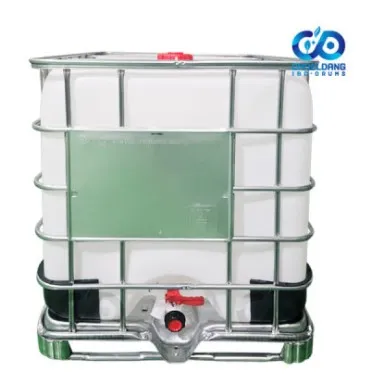
IBC tanks are popular because they offer several practical features for daily operations:
- Durability: Their strong materials and protective frames help them perform well in demanding industrial settings.
- Reusability: These tanks are designed for repeated use, allowing businesses to clean and refill them many times.
- Space Efficiency: Their standardized shape makes stacking and organized storage easier in warehouses and trucks.
Benefits of Using IBC Tanks
IBC tanks provide clear advantages for businesses handling large volumes of liquid or bulk products:
First, they support better cost management. Because they can be reused over a long period, companies can reduce spending on one-time containers and lower overall packaging costs.
Second, they strengthen safety in storage and transport. Their sealed design and durable construction help reduce spills, leaks, and contamination risks, which is especially important for industrial chemicals and sensitive materials.
Third, they are highly versatile. IBC tanks can be used for many products, including water, fertilizers, food-grade liquids, and industrial compounds. This flexibility allows the same container format to be used across different workflows.
Applications of IBC Tanks
IBC tanks are used in many industries, with each sector applying them to different materials and processes:
| Industry | Application |
|---|---|
| Agriculture | Storage of water, fertilizers, and liquid treatment products |
| Chemicals | Containment and transportation of industrial liquid chemicals |
| Food and Beverage | Storage of edible oils, syrups, and other food-grade liquids |
Choosing the Right IBC Tank
Choosing the most suitable IBC tank requires a review of several important factors:
- Material: Ensure the tank material is compatible with the contents to maintain safety and product quality.
- Size: Select a tank capacity that matches your storage volume and transportation schedule.
- Regulations: Confirm the tank meets the required standards and compliance rules for your industry.
IBC tanks remain a practical and dependable solution for businesses that need efficient storage and transport systems. Their durability, reusable design, and broad compatibility make them a strong option for long-term operational use.
If your business is planning to improve storage capacity or logistics efficiency, IBC tanks are worth evaluating. Reviewing your product type, handling process, and compliance needs will help you choose the right model.